Every roof begins with a single layer of trust. Asphalt roofing has evolved beyond its traditional image, becoming a refined craft shaped by new technologies and environmental priorities. Modern installation techniques no longer rely solely on durability but also emphasize efficiency and sustainability. Each stage is designed to ensure that the roof stands not just against weather but also against time itself.
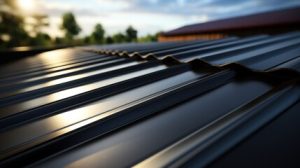
The first layer of an asphalt roof is no longer just a foundation. It has become a smart barrier that adapts to temperature shifts, moisture levels, and air movement. Installers now use breathable underlayments that allow vapor to escape without compromising protection. This innovation reduces the risk of hidden rot and helps maintain consistent interior comfort. The roof now works as an active component of a building’s overall thermal system. Keep reading the article below to learn more about Asphalt Roof Installation Helena.
Precision begins before a single shingle is laid. Roof mapping has become a standard part of preparation, using digital tools to visualize slopes, joints, and drainage paths. This planning stage minimizes waste and ensures that every inch of material is used efficiently. It also reduces the possibility of errors that once led to costly leaks or uneven finishes. Technology has turned what used to be guesswork into a calculated science.
Installation crews today move with a rhythm shaped by coordination and timing. Instead of hammering one shingle at a time, pneumatic systems and synchronized workflows accelerate the process while maintaining accuracy. Yet the artistry remains in the details—the perfect alignment, the hidden fasteners, the smooth overlaps. It’s in these moments that craftsmanship still reigns, proving that even modern tools cannot replace a skilled eye.
Asphalt shingles themselves have undergone a transformation. No longer uniform sheets, they now feature composite layers that resist cracking, curling, and discoloration. Granules embedded on the surface are engineered to deflect UV rays and prevent fading. Some even include reflective coatings that lower indoor temperatures. This combination of beauty and performance defines the new era of roofing aesthetics.
Weatherproofing has also taken a leap forward. Sealant technology now allows for flexible adhesion that adjusts to expansion and contraction. Even in extreme climates, this elasticity prevents gaps that could lead to water intrusion. Modern sealants bond stronger under heat and cure faster under humidity, reducing the waiting time between installation phases. The result is a tighter, more resilient structure.
Ventilation design has become a crucial factor in modern installations. Roof systems now integrate continuous ridge vents and smart soffit openings that promote airflow. This prevents heat buildup and moisture accumulation in attics, extending the lifespan of both the roof and the insulation beneath it. Efficient ventilation contributes to energy savings and structural stability, making it a subtle but vital component.
Flashing methods have been redefined with advanced materials that resist corrosion and maintain flexibility. Instead of relying on traditional metal strips, modern flashings often include composite layers or reinforced membranes. These adapt to complex roof geometries and ensure seamless integration around chimneys, vents, and skylights. The small details around these junctions often determine the success of the entire installation.
Another innovation lies in adhesive-backed shingles that simplify the laying process. These self-sealing components reduce labor while improving uniformity. They provide instant grip even before mechanical fastening, allowing installers to work faster on steep slopes. This technology eliminates the need for excessive nailing, reducing structural stress and material fatigue. Efficiency has become an aesthetic of its own.
Environmental considerations now shape every decision in roofing projects. Asphalt recycling programs ensure that old shingles can be repurposed into new roads or roofing materials. This circular approach minimizes waste and reduces production emissions. Installers are also more conscious of using eco-friendly adhesives and coatings with low volatile compounds. Roofing has quietly entered the realm of responsible innovation.
Noise control during installation has also seen improvements. Tools and machines are now designed with sound-dampening features to minimize disruption in residential areas. Even the structure of shingles helps absorb sound once installed, creating quieter indoor environments. This unseen benefit contributes to comfort while showcasing how attention to detail extends beyond visual appeal.
Safety protocols have evolved alongside the technology. Harness systems, edge guards, and digital height sensors help protect workers during installation. Drones now assist in inspections before and after work, reducing the need for dangerous climbs. These advancements create a safer and more efficient job site. A well-installed roof begins with well-protected hands.
Cost management has shifted from reactive to predictive. Digital estimation tools calculate material use, waste reduction, and lifespan performance before installation begins. This allows clients to see long-term savings rather than short-term expenses. The investment in quality materials and skilled labor pays off through reduced maintenance and higher energy efficiency. The roof becomes not an expense but a sustainable asset.
One of the newest frontiers in asphalt roofing is the integration of smart monitoring systems. Sensors embedded under shingles can now detect moisture or temperature changes in real time. These systems send alerts to maintenance teams before visible damage occurs. This predictive maintenance approach revolutionizes how buildings are managed and preserved. The roof now speaks before it leaks.
Aesthetic diversity has expanded beyond the traditional flat tones of asphalt. Modern options include textured finishes that mimic slate, wood, or ceramic. Installers can now achieve premium looks without the associated cost or weight. The result is a roof that complements any architectural design while maintaining the practical advantages of asphalt. Style and substance finally coexist.
Weather resilience remains the defining measure of asphalt roof success. Modern materials can withstand high winds, intense sunlight, and freezing rain without distortion. Impact-resistant versions offer protection from debris and hail, providing homeowners with peace of mind during storms. The durability once expected only from metal or tile roofing is now achievable with asphalt innovation.
Moisture control has also been revolutionized through synthetic membranes placed under shingles. These act as secondary defense layers, directing water away even if the outer layer is compromised. The use of moisture sensors further enhances this protection. Together, they form a dynamic system that adapts to shifting weather patterns, ensuring long-term reliability.
Color science has become an integral part of roof design. Light-reflective pigments reduce heat absorption and contribute to energy savings. Meanwhile, darker shades are engineered to resist thermal degradation. The balance between function and visual appeal defines the modern roofing palette. Each color choice becomes both an artistic and technical decision.
The installation process continues to blend innovation with human precision. Robots and automated shingle feeders may handle repetitive tasks, but it’s still the human hand that aligns the final row. Skilled roofers understand wind direction, texture, and subtle angles that machines cannot replicate. This partnership between human expertise and technology represents the true evolution of the craft.
Maintenance has grown more efficient as well. With advanced coatings and sealants, modern asphalt roofs require fewer inspections. Dirt and debris wash off more easily, preserving color and surface integrity. Homeowners can now enjoy a longer maintenance-free period without compromising performance. Longevity has become the ultimate expression of quality.
Energy performance extends beyond insulation. Some asphalt roofs incorporate photovoltaic materials that convert sunlight into energy. These systems merge seamlessly with traditional shingles, offering a clean aesthetic. The combination of power generation and protection marks the beginning of a smarter, self-sustaining building envelope. Asphalt, once ordinary, is now extraordinary.
The cultural perception of roofing has shifted too. It’s no longer just a necessity but an architectural statement. Homeowners and designers collaborate to choose profiles, tones, and patterns that express personality. Asphalt roofing provides the flexibility to explore creativity without losing practicality. The roof becomes an extension of personal identity.
Even the logistics of transporting and storing asphalt materials have improved. Lightweight packaging and moisture-resistant wraps maintain quality from factory to site. This reduces damage during handling and ensures consistent installation results. Efficiency now starts long before the first shingle touches the deck. The process has become a seamless continuum from production to perfection.
Training and certification have raised the professional standards of roof installation. Installers undergo rigorous programs that cover materials science, energy efficiency, and structural design. This ensures that every project meets the latest building codes and safety regulations. Knowledge has become the most powerful tool on the job site.
As sustainability trends deepen, manufacturers are experimenting with bio-based binders to replace petroleum ingredients. These new formulas maintain strength while reducing carbon impact. Some even enhance flexibility, making shingles more resilient in temperature extremes. The push for greener materials reflects a broader commitment to a healthier planet.
In regions prone to storms, modern asphalt roofing systems include layered reinforcements that act as shock absorbers. These hidden enhancements protect against structural fatigue over time. Wind-resistant adhesives and interlocking patterns further stabilize the surface. The science of resilience continues to evolve quietly beneath the visible surface.
Soundproofing and heat management now intersect in innovative ways. Multi-layered shingles act as acoustic barriers while also reflecting solar radiation. This combination reduces both noise pollution and cooling costs. The result is a more peaceful, energy-efficient home environment. Comfort has become an integral design principle.
Asphalt roofing has transformed from a basic covering into a dynamic system of protection, design, and intelligence. Each installation represents a convergence of materials science, craftsmanship, and environmental consciousness. The roof no longer merely shelters—it interacts, conserves, and adapts. It’s a silent guardian engineered with precision and purpose.
The future of asphalt roof installation lies in continuous refinement. New composites, smart sensors, and sustainable binders will keep reshaping the field. Yet, the essence of the craft remains unchanged—a balance between structure and artistry. Every shingle laid is a testament to human ingenuity and the quiet evolution of shelter.
The art of modern asphalt roofing tells a story of transformation. From raw materials to intelligent systems, from simple shelter to architectural statement, it reflects how progress can be both functional and beautiful. Each roof is more than a cover—it’s a creation built to endure, designed to inspire, and perfected through layers of precision.